
I am not sure why I’ve always liked nasturtiums. Maybe it’s because while I was growing up my dad planted them around the house.
Here’s a good shot of a nasturtium patch.

I’ve never grown them, because where I live the climate is too dry.
Just recently however, I decided that I would try planting some in trays so that I could move them from place to place. That way, it would be easy to keep them in the shade.

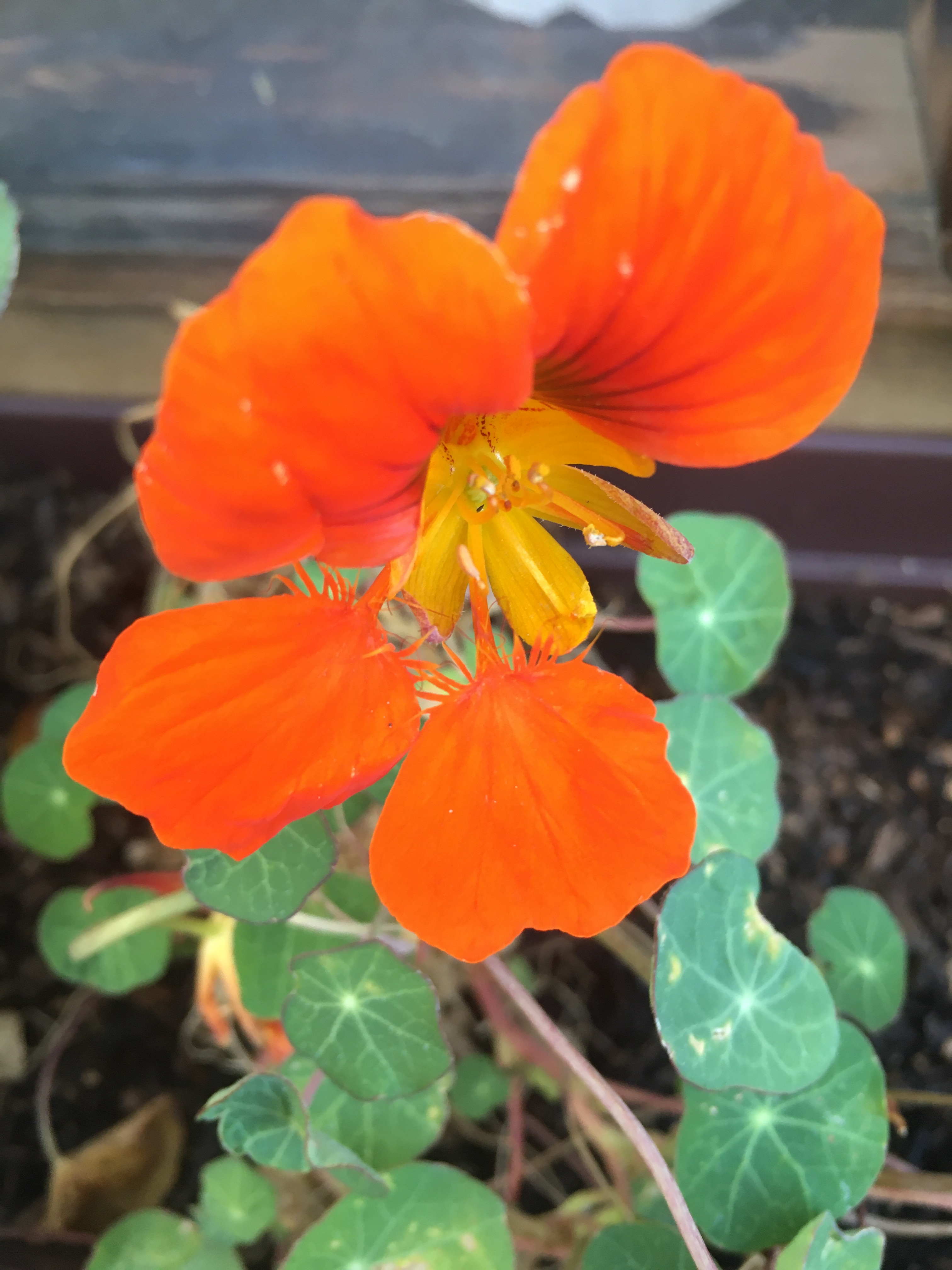
To my surprise, they actually bloomed! A friend then told me that the flowers were edible and were often used in cooking. So of course, I had to give them a try.
I removed a single petal, and popped it in my mouth. As she said, the flower did have a ‘peppery’ taste, and was actually quite good. In addition, the leaves are also edible.
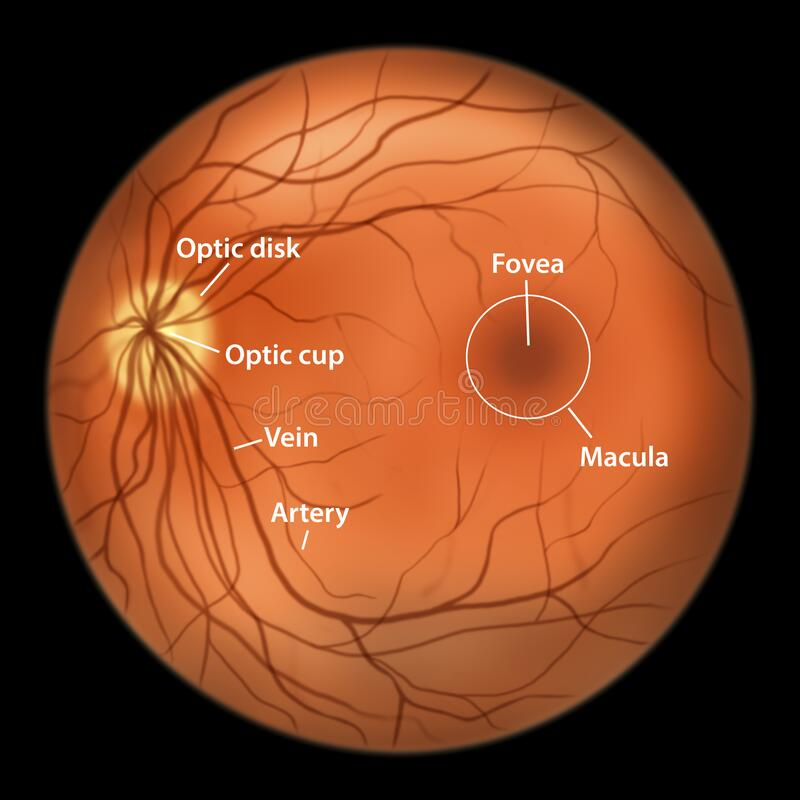
Having worked with eye care instrumentation for many years, the leaf of the nasturtium always reminded me of the retina of the eye. Hence the name of this post – ‘The Eye Of The Nasturtium.’
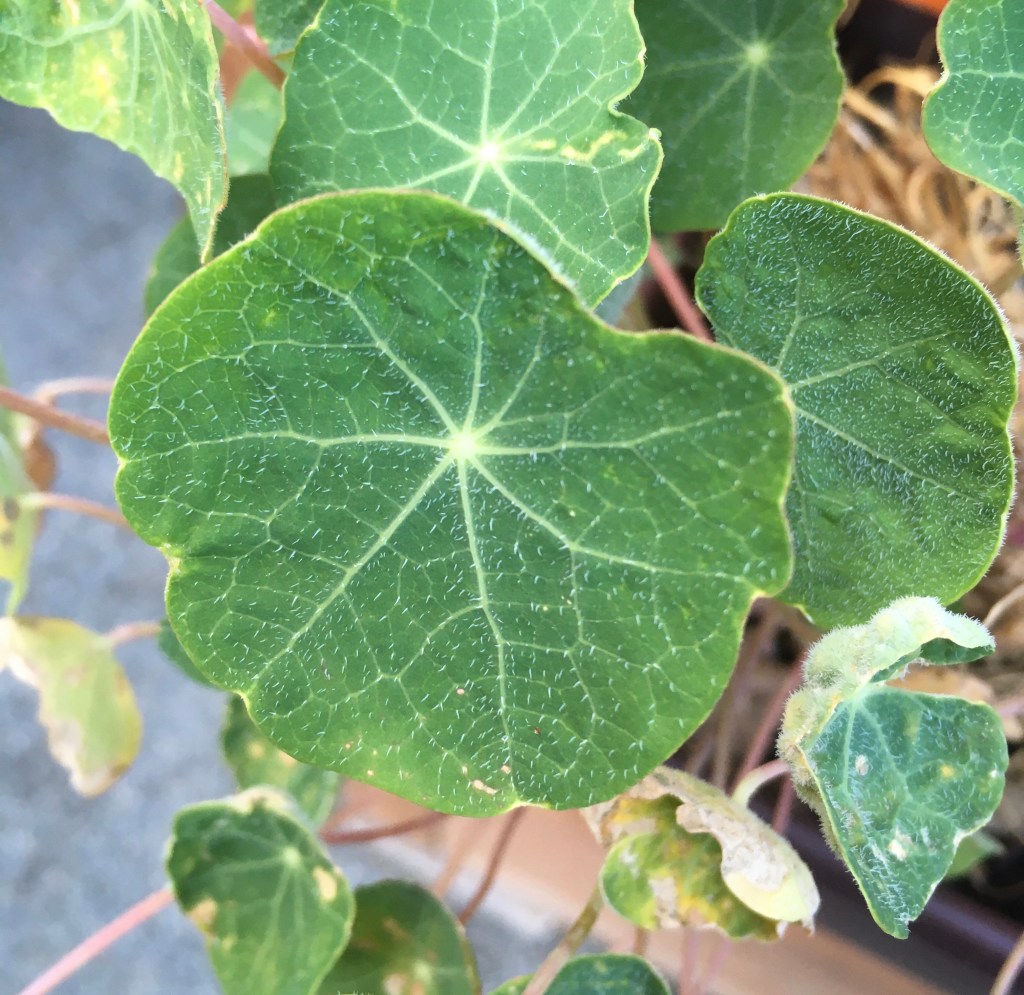
Okay, maybe a stretch, but here is a picture of the human retina (fundus image). The leaves do have a look of retinal vascularization and a point that is reminiscent of the optic disk.
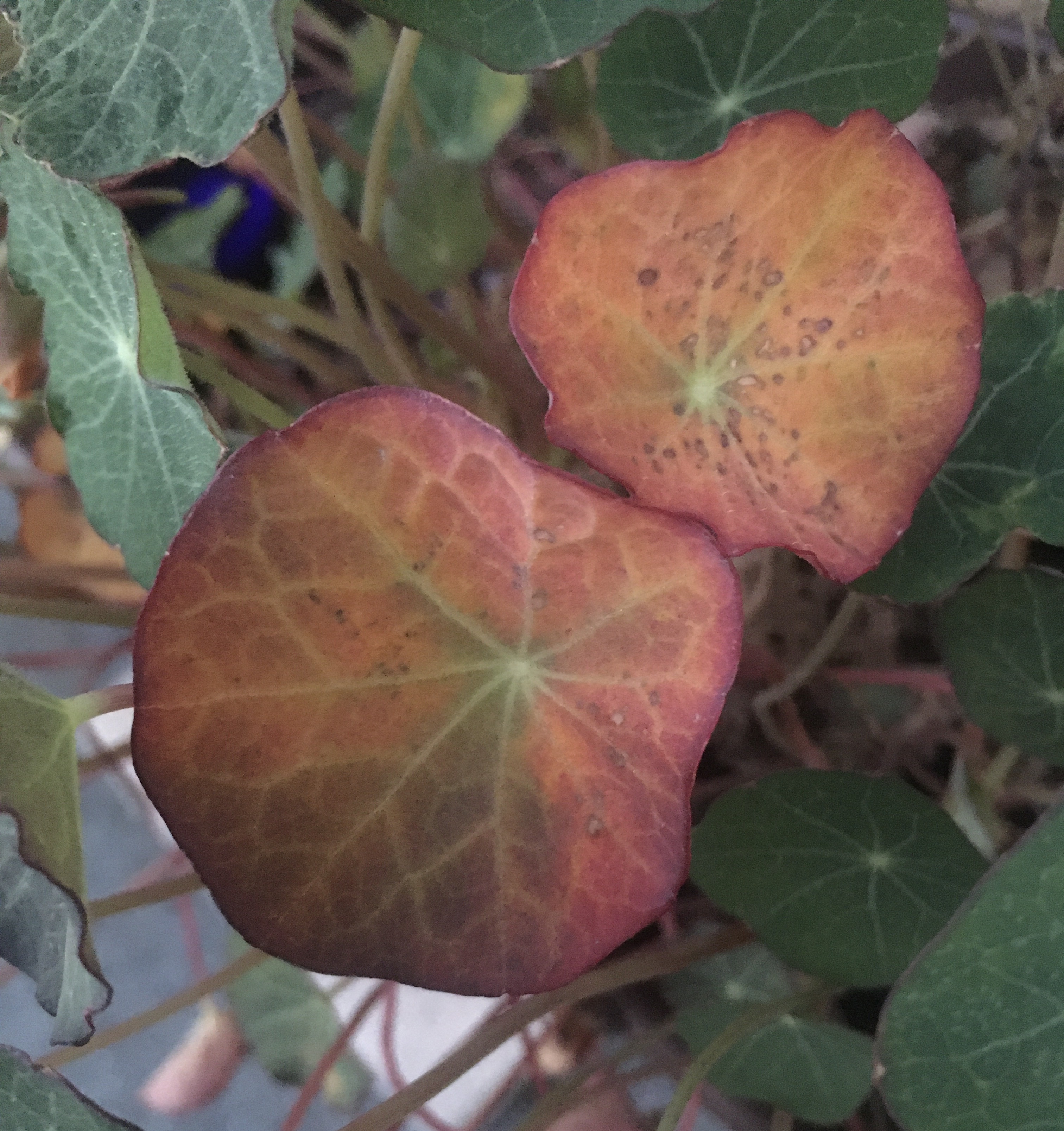
Alright, perhaps you don’t agree – that’s okay. However, here’s the interesting part.
Nasturtium flowers contain “lutein.” Actually, more lutein than any other edible plant. So what’s lutein?
Lutein is a ‘carotenoid,’ which is converted to vitamin A and found in the human eye. Lutein in the eye works to improve and possibly prevent age-related macular degeneration, which is the primary cause of blindness and vision degradation.
Well, well, well – maybe my crazy curiosity with the nasturtium leaf/flower and the retina is not so crazy after all.
Taking lutein is good for your eyes! Read up on it, you will be surprised.
My mother always told me to eat my carrots, which also contain carotenoids.
“Did you ever see a rabbit wearing glasses,” she’d say. Maybe they ate nasturtium flowers as well?

 Mr. G's Mind