Earlingo – The Animal Assisted Therapy Headband

About a year ago, I took an online class on how to certify your dog as an Animal Assisted Therapy pet.

I have a very gentle Chihuahua mix and thought she would be a good candidate to go into senior homes or hospitals to cheer folks up a bit.
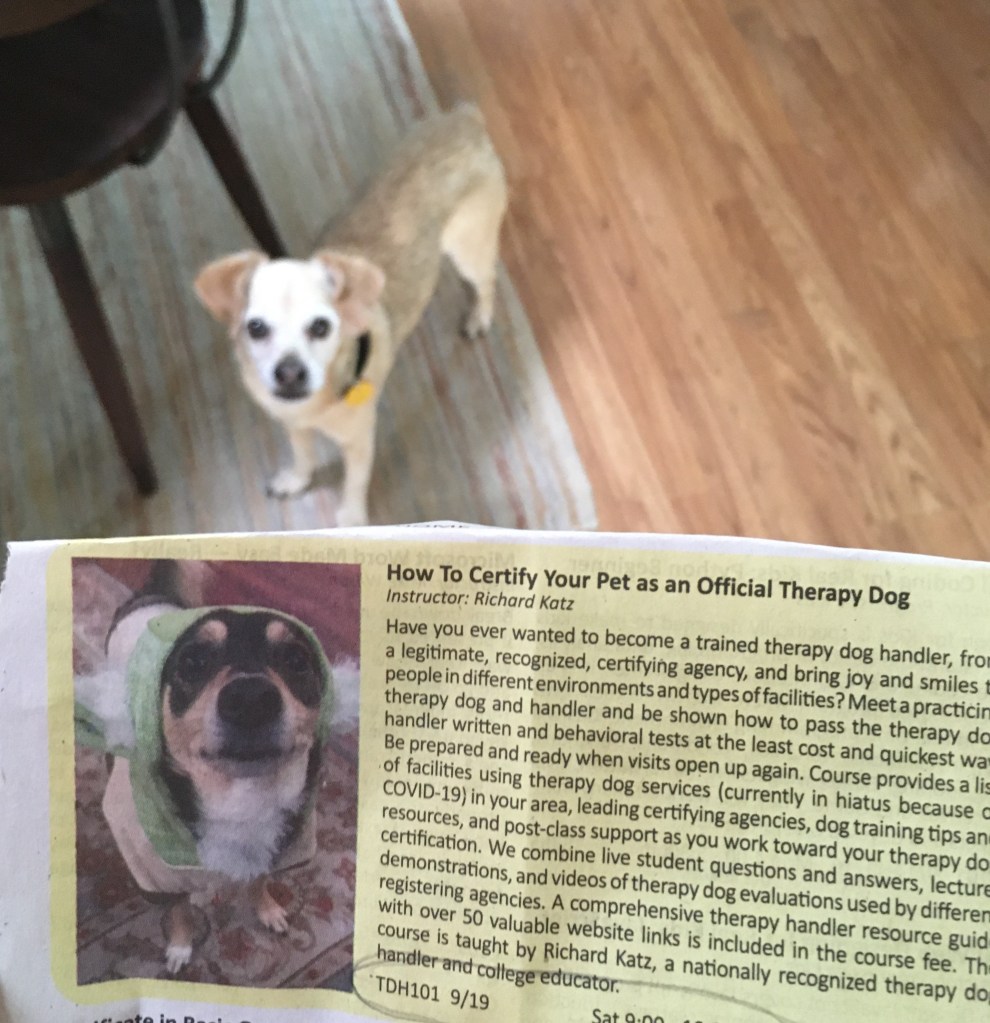
So I signed up for the class. The class was very informative, but unfortunately my pup was too old. Your dog must be 7 years old or less to become certified.

This got me thinking about training my dog in a special way. A way that facilities would want her to come in, certified or not. She had to have a skill. Something other dogs could not do, and would be interactive for the person.

In college, I did a paper on “Signaling Behavior Among Wolves.” I’ve had an interest in animal communication (Cuttlefish Comm Board) for many years. In 2016, I had a very interesting experience at the San Diego Zoo (Dee Meets The Maned Wolf). These two experiences gave me a unique idea.

Develop a headband (I call it an Earlingo Headband) with controllable dog-shaped ears on it that the user can control and interact with the therapy dog. Even if the person was not able to control the ears, I could wear the headband, move the ears, and interact with the dog while they watch.
The concept is that the dog will perform different movements (sit, stay, lay down, etc.) based upon the headband ear movements – visual communication only. Of course, I’d train my dog using operant conditioning prior to any visits. With positive reinforcement, she would learn to associate an ear movement with a particular behavior.

I will use servo motors along with an Arduino Kit, as mentioned in my Cuttlefish Comm Board post, to make the ears move.

I really think that this might bring a smile to someone’s face!
The Dream Trainer

I’ve had a fascination with dreams since I was in college. I was aware of lucid dreams, which is a dream where the dreamer becomes alert in their dream, but had never experienced one. Some individuals have them often, but I was not one of those people.

In a lucid dream, one can make suggestions in the dream and carry them out. One may want to fly, write a song, pass through walls, travel in time, or come up with a new invention. The possibilities are endless, and there is no difference between the dream and the waking world – they are equal realities.

Later in life, I read about Dr. Stephen LeBerge, a Stanford University psychophysiologist who became an expert in the study of lucid dreaming.

He had developed a pair of lucid dream goggles, which incorporated flashing red LEDs (Light Emitting Diodes). The flashing LEDs acted as a trigger to alert but not awaken a dreaming subject, enabling them to become lucid.

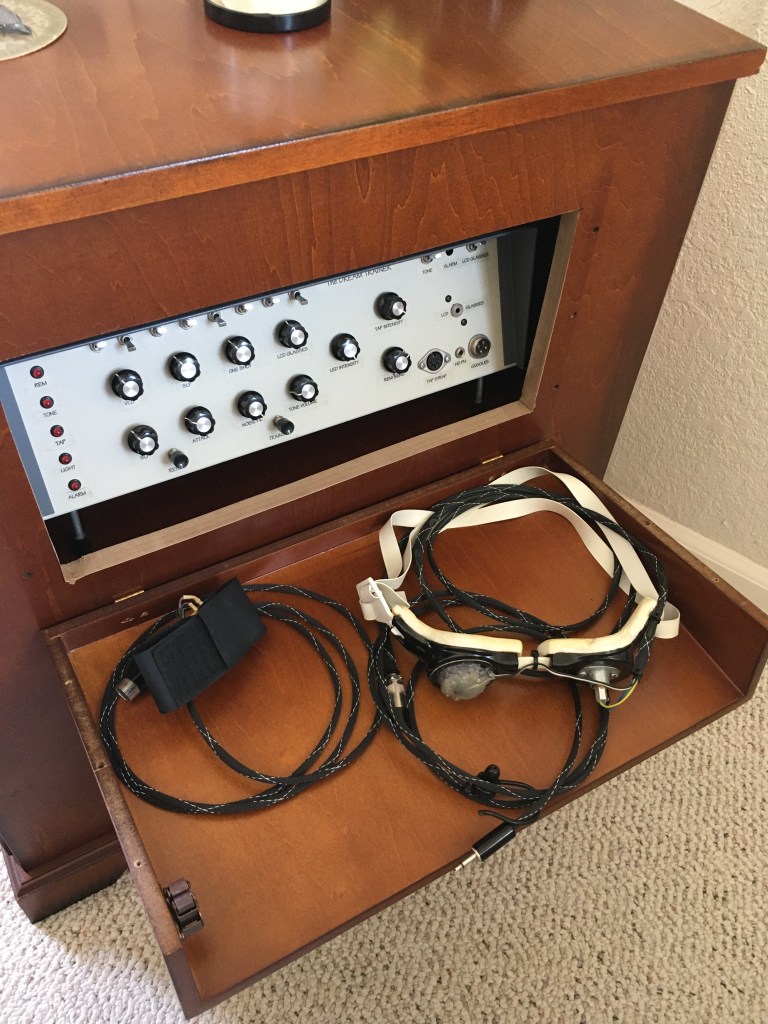
When I saw the picture of the dream goggles in National Geographic, I had to have a pair! Of course you could not purchase these, so I designed my own lucid dream-training center complete with flashing LED goggles and more. The final result is pictured below. I call it The Dream Trainer.

The technology is older, but all functions still operate, and it works as designed!

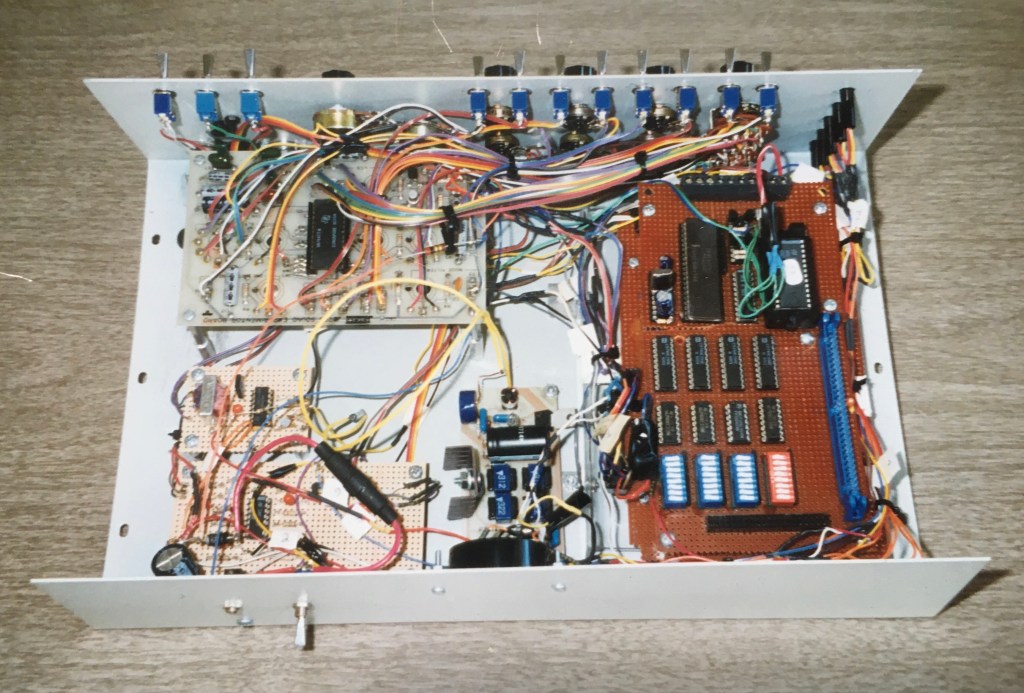
Here I have removed the cover, so you can see the inside. Believe me, I had a very clever engineer help me with this. I have ideas, but often need help getting them off the ground.

The Dream Trainer consists of four basic functional modules:

  • Flashing goggles with motion detector
  • Sound board
  • Wrist tap strap
  • Training function

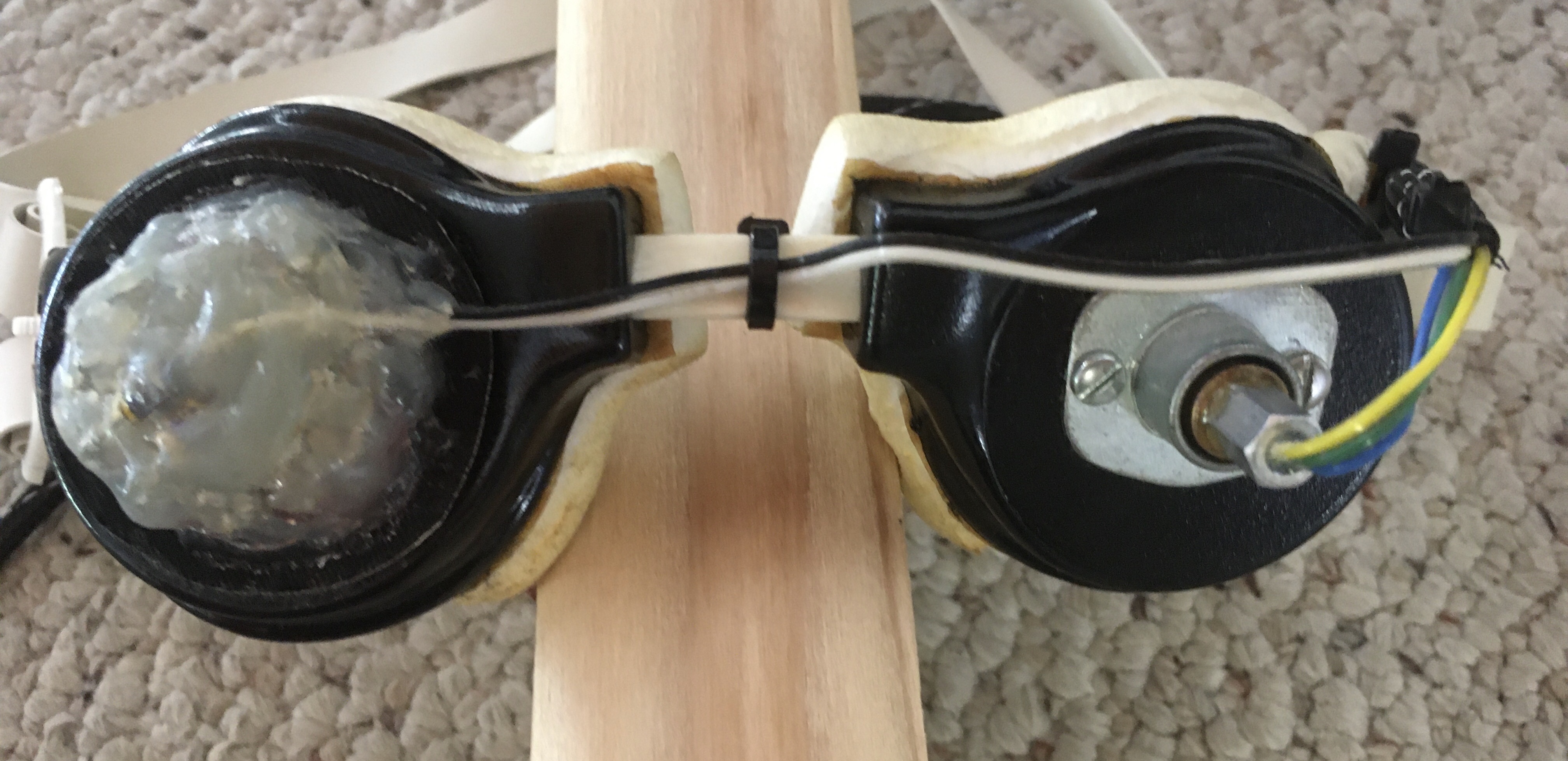
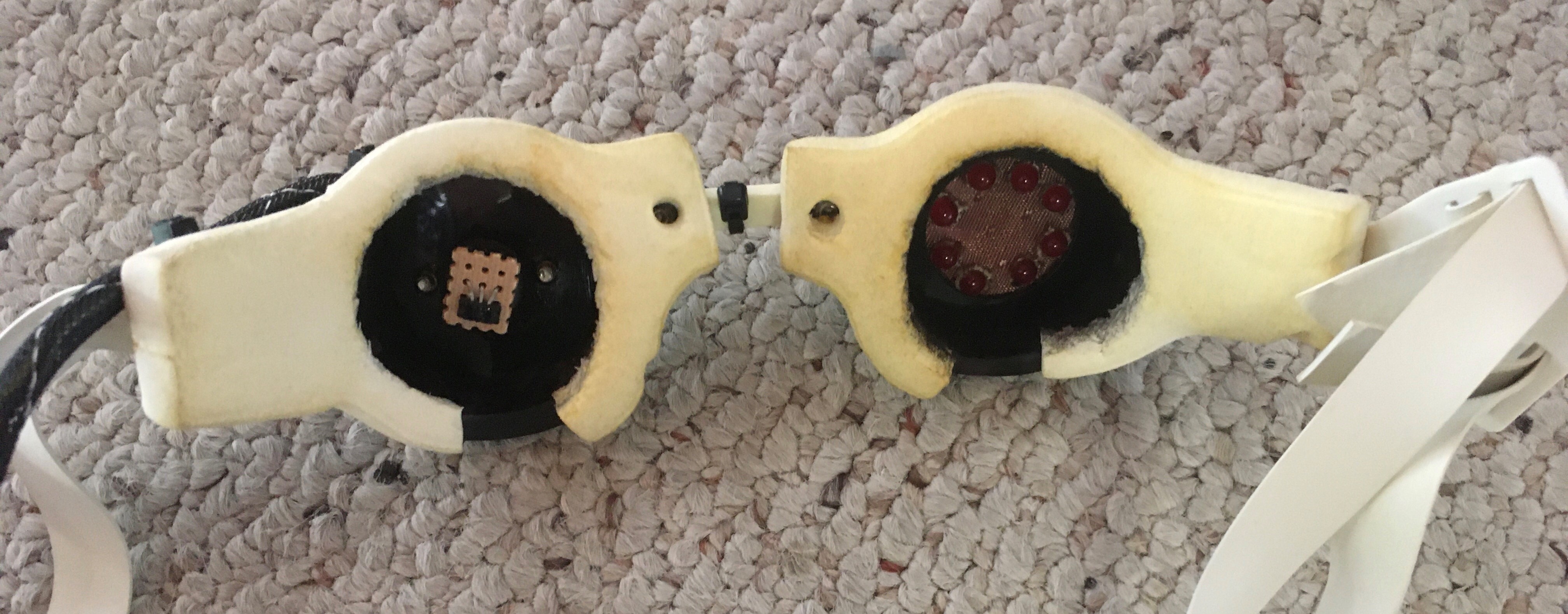
The eyewear is made from a pair of swimmer’s goggles. I fitted one side with a ring of red LEDs and the other with a motion detector. When you dream, your eyelids move back and forth very fast. This is called REM – Rapid Eye Movement. This eyelid movement, which is picked up by the motion detector, turns on the various dream trainer functions while dreaming.

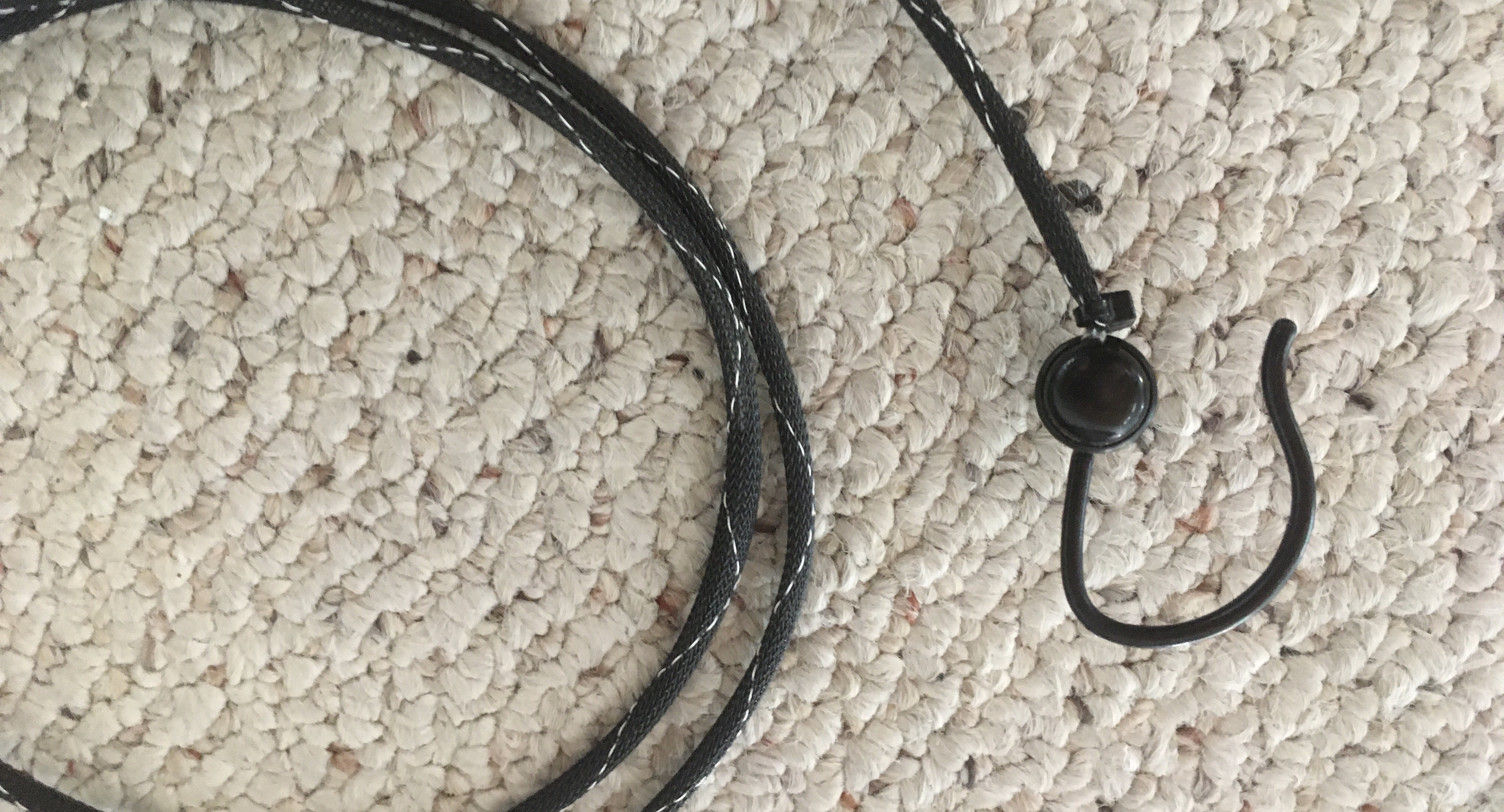
Pictured below are the tap strap and sound board ear piece.

Once REM is detected, the tap strap (if turned on) makes a tiny tapping on the wrist. Tapping is said to be the best method of creating lucidity. The sound board (if turned on) can be dialed in to make over 600 sounds. How many times have you heard a sound in your dream only to awake and find that it was a dog barking in the next yard or a train in the distance.

When the detector picks up the eyelid movement, the first function that is turned on is the flashing red LEDs. This is the principle cue to alert you that you are in a dream. The tap strap and sounds can also be used for dream alertness cues if desired.

Dream lucidity does not happen the first time one uses the goggles, but I suppose for some it could. One has to practice – mental conditioning is key. That is why I also incorporated a training function. The goggles, tap strap and ear piece can all be worn while awake for night time conditioning purposes.

I now pretrain using my Pattern Disc Viewer to preset the theme of my dreams. In a sense, I am now manufacturing the type of lucid dream that I want to have. Crazy? No, not at all. I often talk to marine mammals in my dreams.

I know it’s not real or is it? Sweet dreams everyone!