Fall Photo Shoot

Finally, it’s fall! I decided this fall that I would dust off an old camera and do a photo shoot.

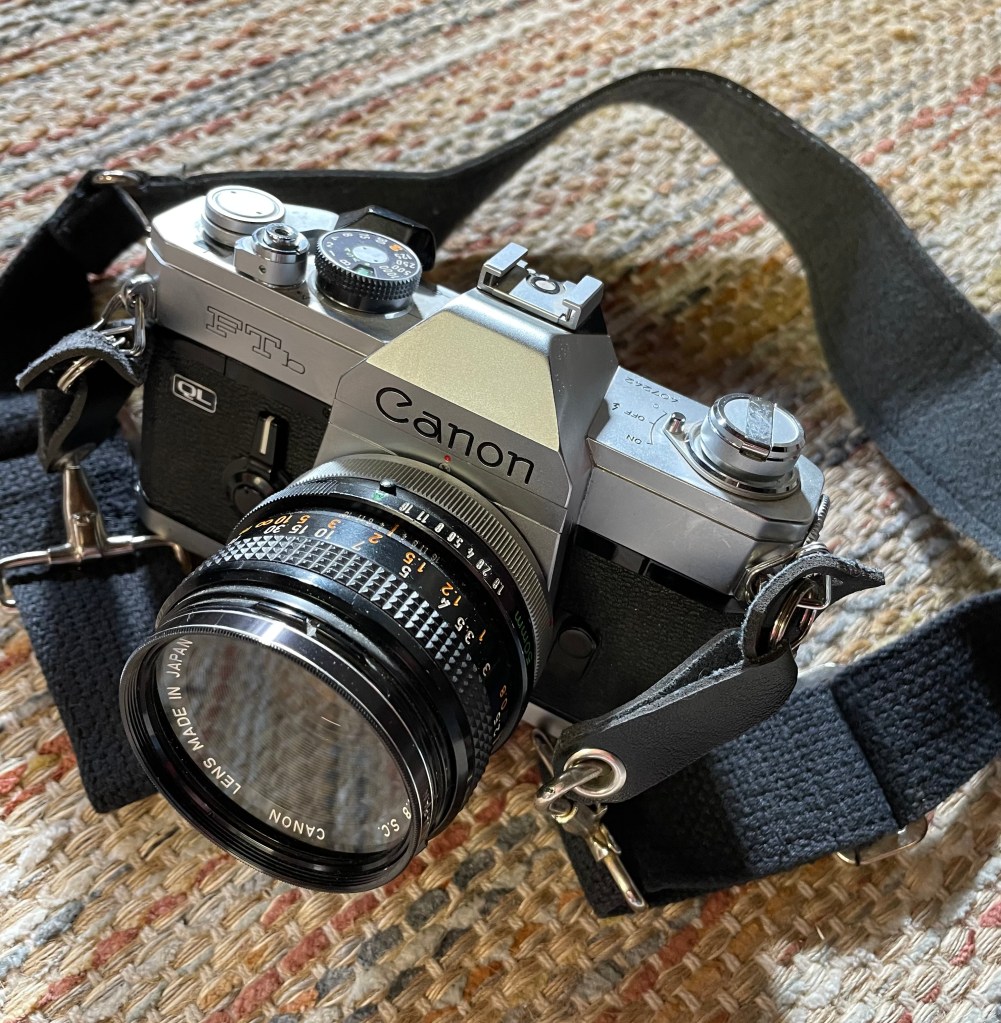
I chose my Dad’s Canon 135mm SLR, with 50mm lens. I think that he purchased it in 1975.

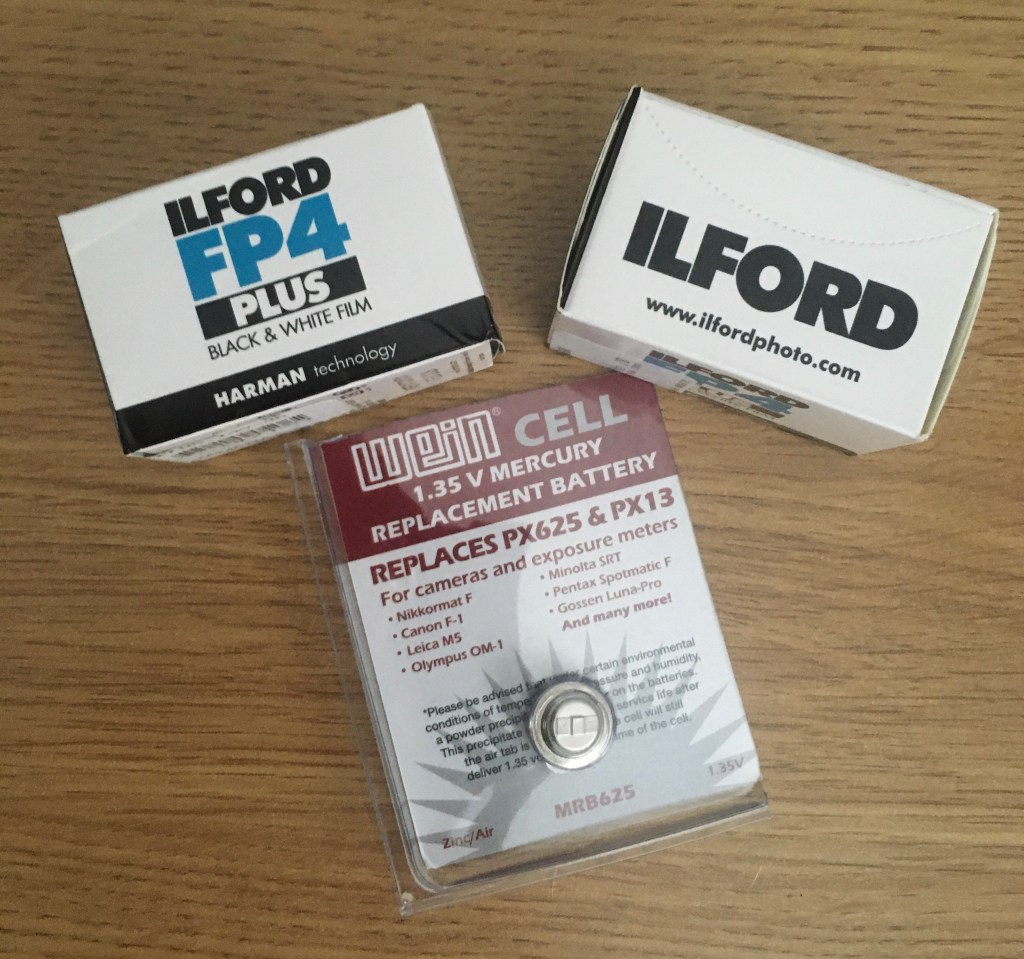
The camera is in really great shape, just needed a new battery for the light meter and some film. Surprisingly, both were pretty easy to obtain. If you’ve got a camera shop in your area, try them first. If not, you can order from the web.

I chose B/W film, as that is what I used to shoot. I was only able to obtain Ilford film at 200 ASA (film speed). This film should work pretty well in either sunny or cloudy conditions.

I took a hike in a local wilderness area. The camera seemed heavy and limited compared to using the camera on my iPhone. Anyway, I shot away.

Here is a picture of one of the sycamore trees from the park. I took this with my iPhone, as the film process will take some time to see the results. I also took the same picture with the 135mm camera for comparison.

I have not done so yet, but I will take the film to the camera store for development. I will ask for negatives only, no individual prints. This will take about 7 – 10 days for processing and return.

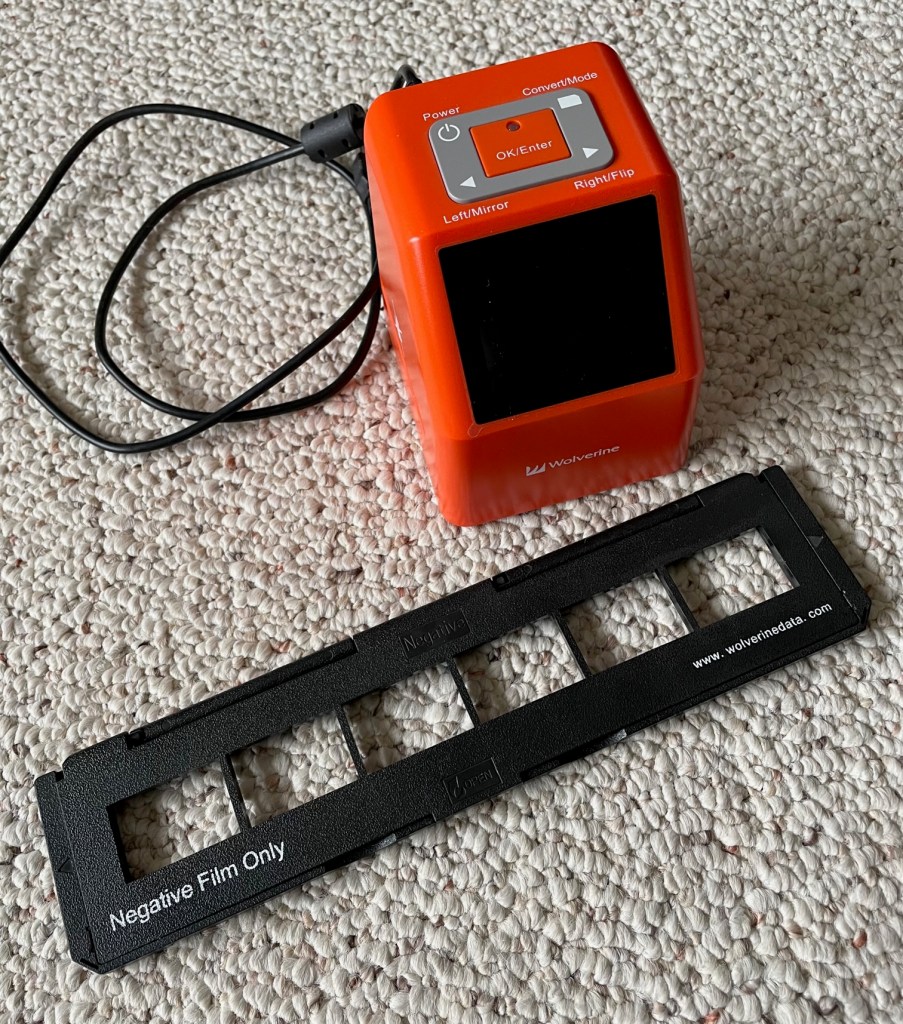
Once the negatives are returned, I will run them through this digital scanner. That will give me digital B/W images.

I’ve done this with some of my old negatives (and slides). Most of them turned out pretty well.

It was fun taking the old camera out for a spin, but back on the shelf it goes. Now where’s my iPhone?

Sea Lions

Shortly after college, I was fortunate to be part of a research project studying hearing thresholds in California Sea Lions.

The California sea lion can hear both above and below water, with hearing in water to be in the range of 250 Hz to 40 KHz. Comparatively, a human’s range of hearing (in air) is in the range of 20 Hz to 20 KHz.

So, their hearing is excellent in water. This is true for most marine mammals, and why under sea noise pollution is such a destructive element, both in physiology and behavior.

Sea lions can dive to depths of up to 900 feet, and hold their breath for up to 20 minutes.

Here is a female sea lion, Bibi, at the university’s ecological research station.

A little social behavior going on at a local zoo.

This is actually a picture of a picture, taken at the Naval Undersea Museum in Washington.

A rock formation in Southern Cali, but I see a profile of a sea lion.

Working with sea lions was a wonderful experience I hope to always remember!