Privacy Fence Toppers

When you desire ‘a little more’ backyard privacy, fence toppers are the way to go.

Suppose that you do not want to leave them up all the time, or want to grow vines on them and access them easily. Solution – attach the toppers to the fence with hinges. That way, they can be folded down whenever necessary.

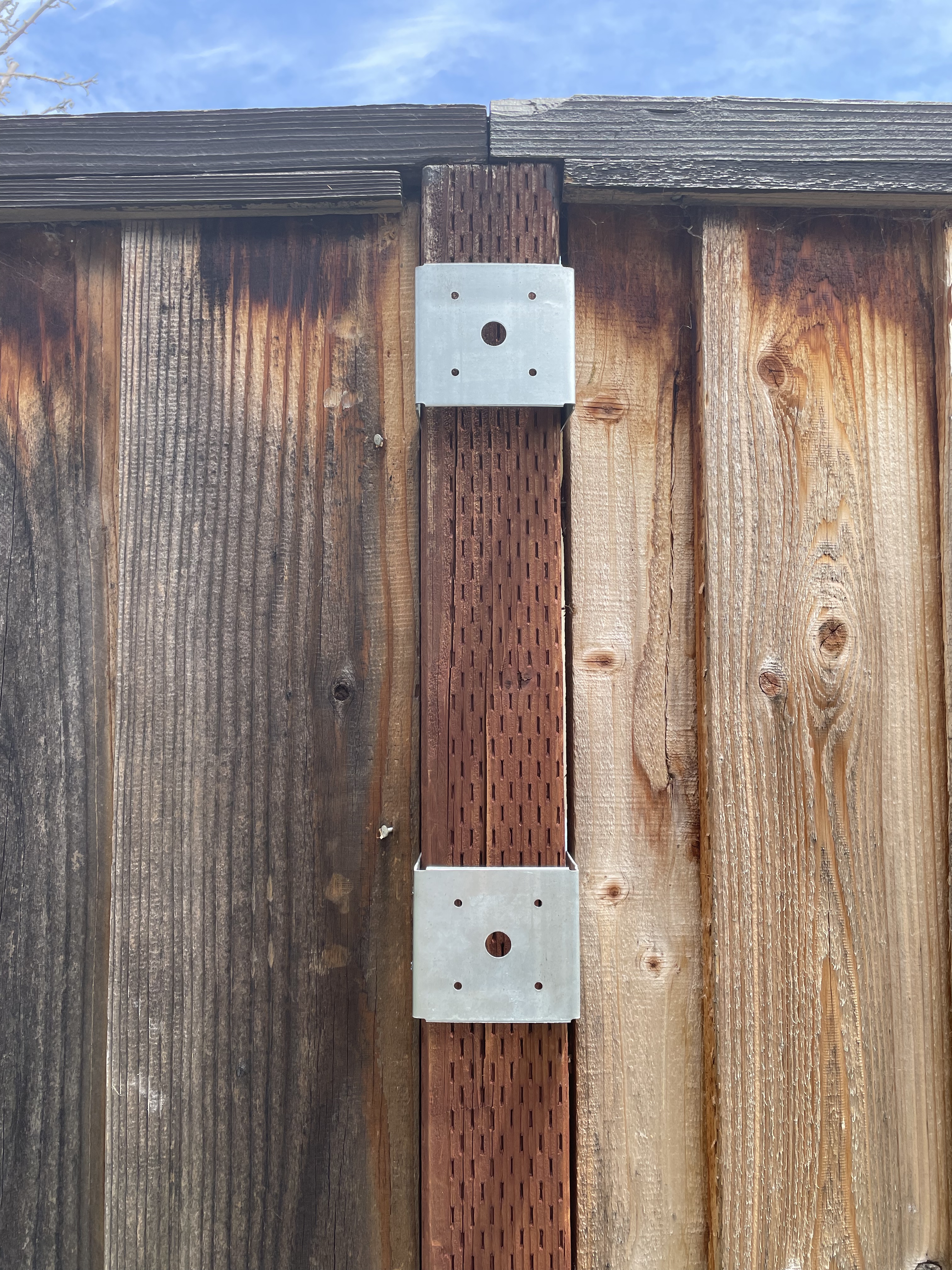
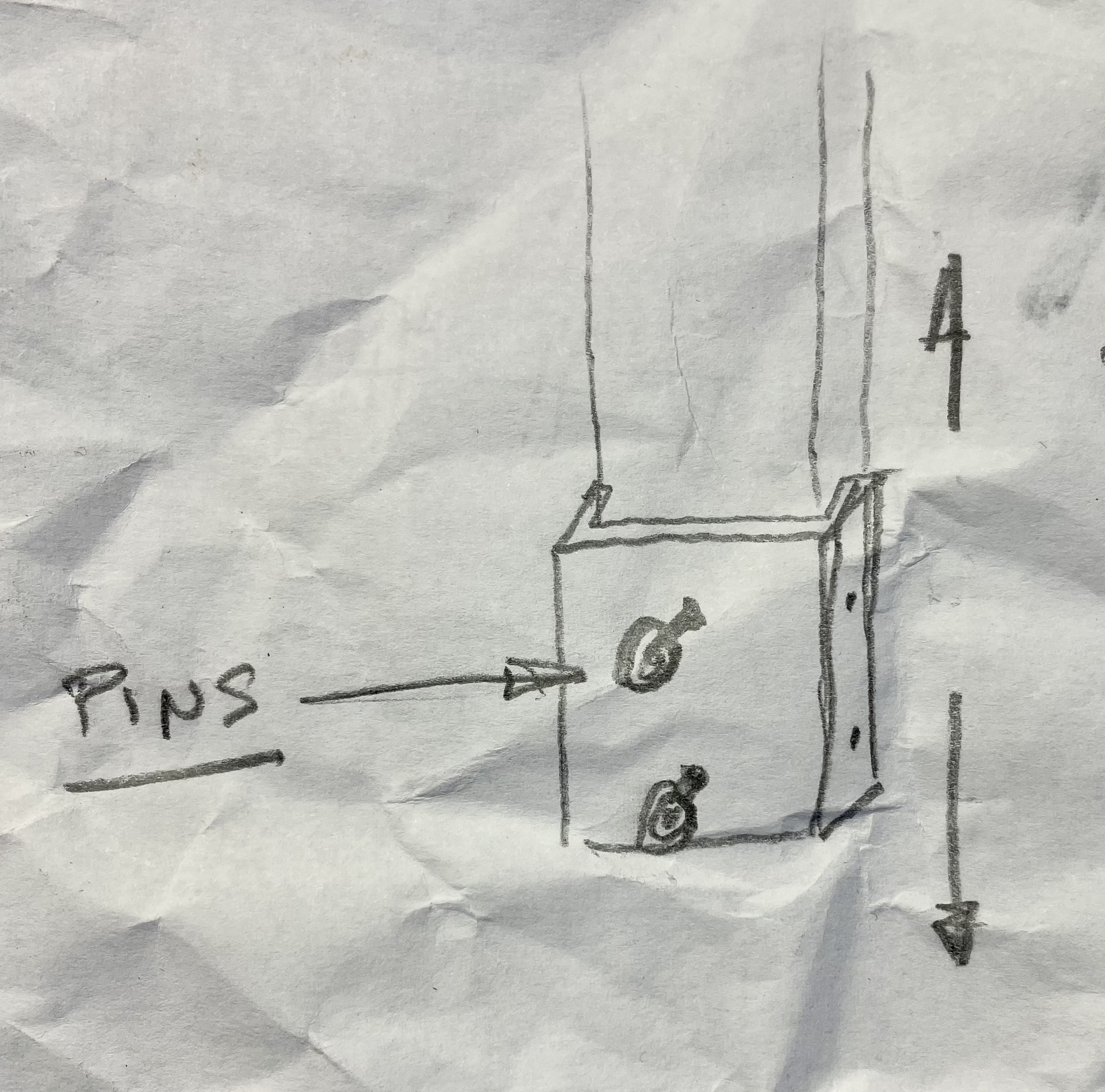
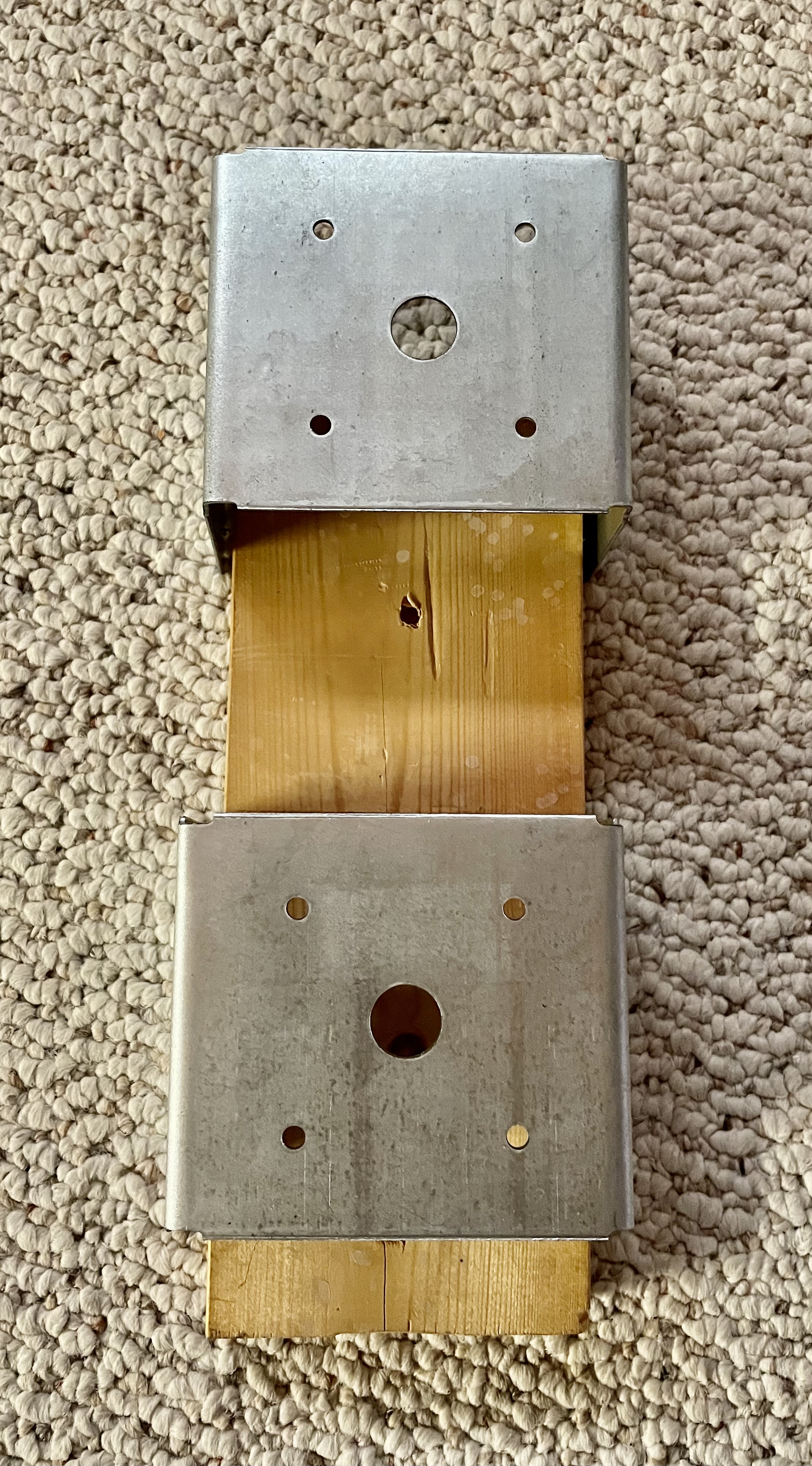
Using hinges was not difficult, but ‘how to’ support the toppers needed an idea. I decided to use fence U-brackets, and slide a piece of flat wood into the bracket, and secure that to the topper. I will use a heavy duty tie wrap, which can easily be removed as required.

When I wanted to fold the topper down, I’d cut the tie wraps, pull out the pins, and slide the wood out. The topper could now be folded down.
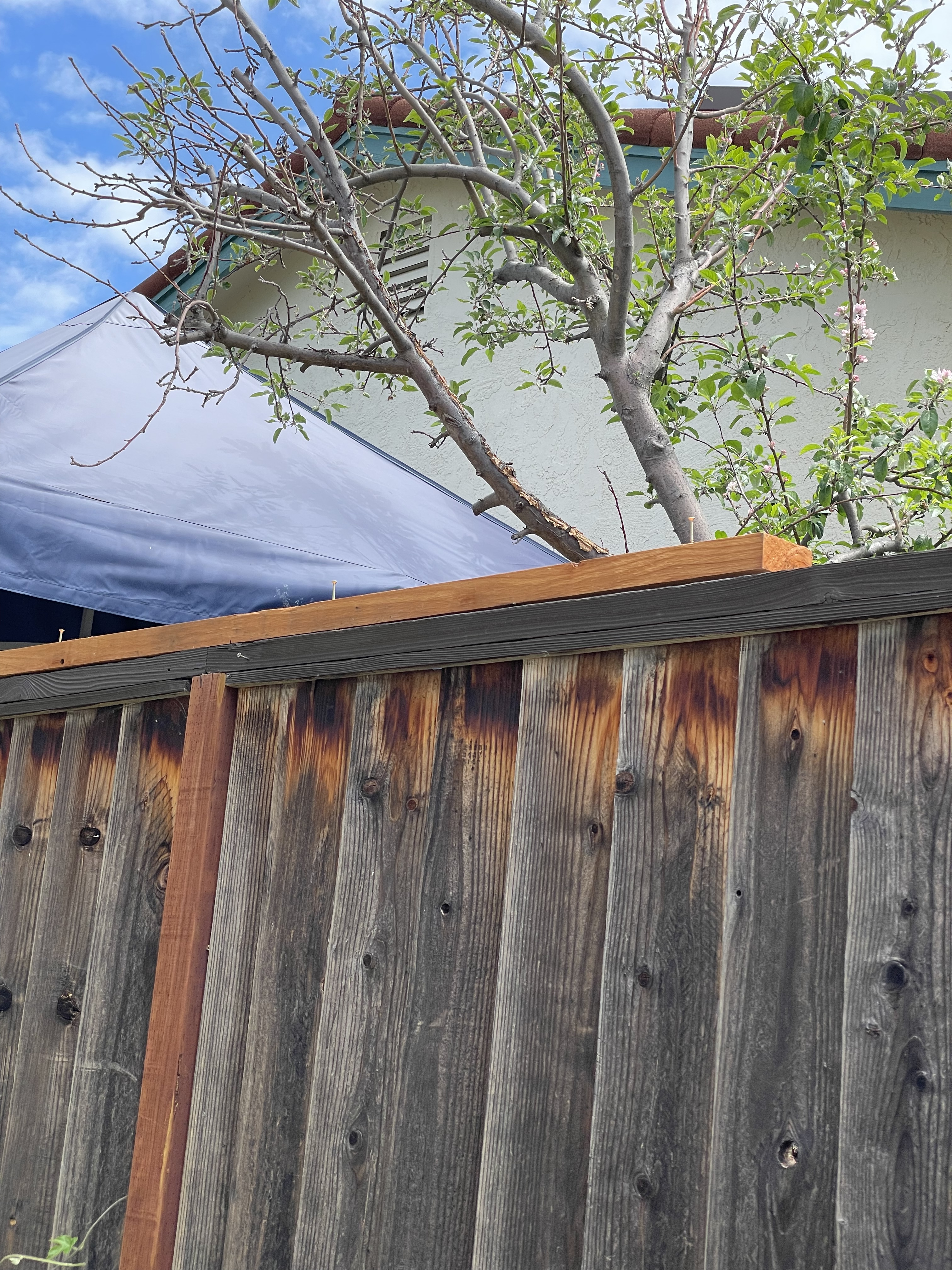
First step was to add some 2 x 4’s to the top of the fence.

I then screwed the U-brackets to the existing fence posts.
I used square lattice and redwood channel to build the toppers. I made 3 toppers, each 7′ long and 2′ high.

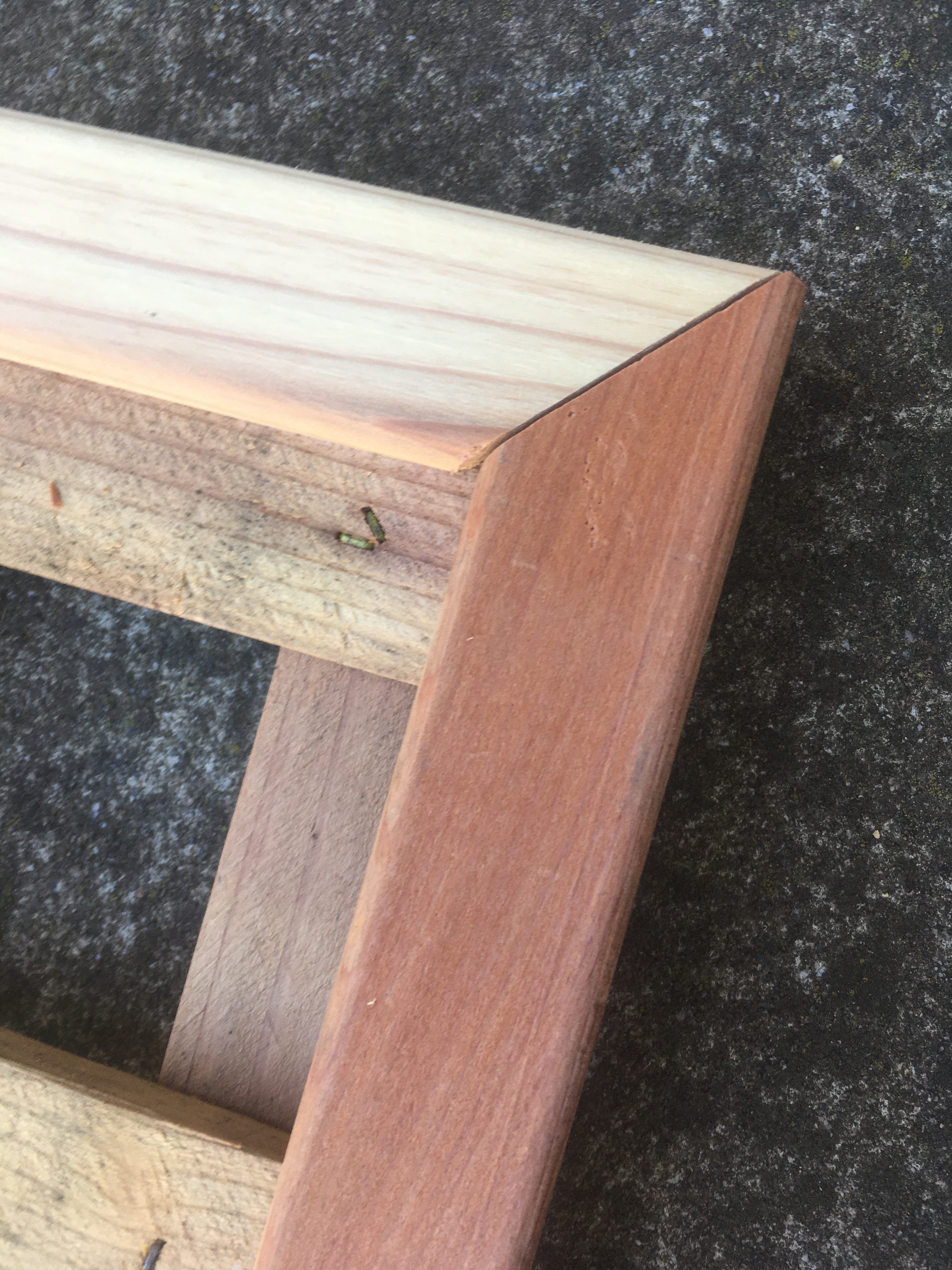
Make sure that you carefully layout the redwood channel pieces prior to cutting the 45 degree angles. I suggest cutting one 45 degree at a time and then lining it up with the lattice as shown below.
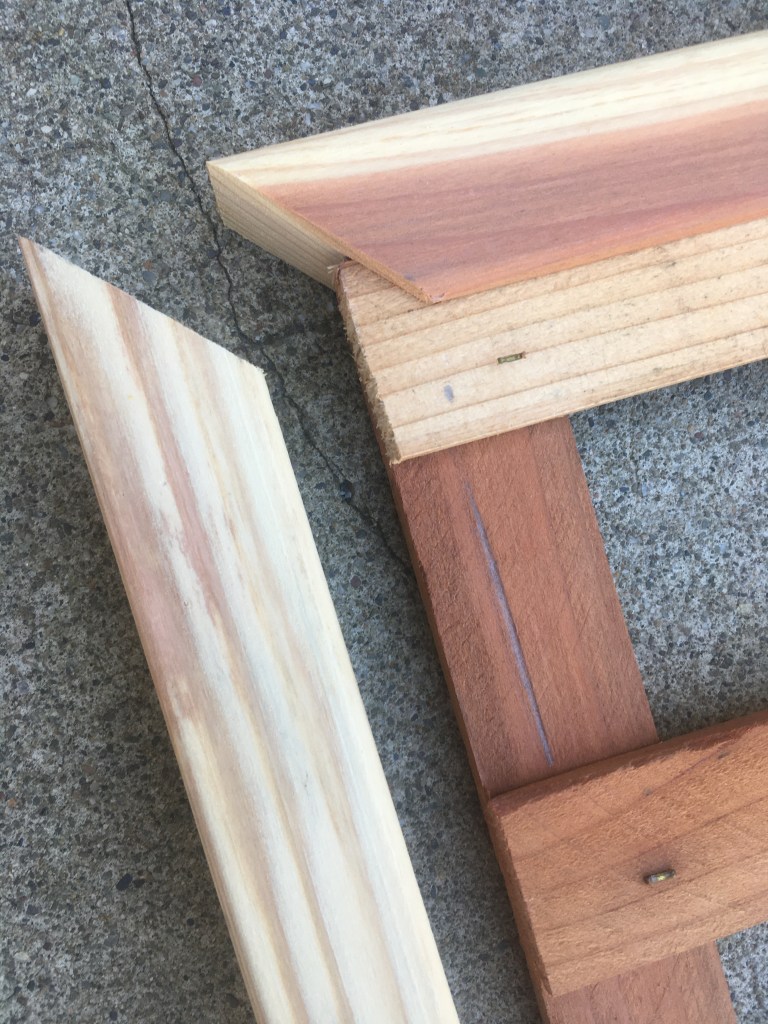
You do not want the result shown on the left – oops! Don’t become a member of “The Temple of Accumulated Error.” You want nice tight fitting 45’s, as on the right.

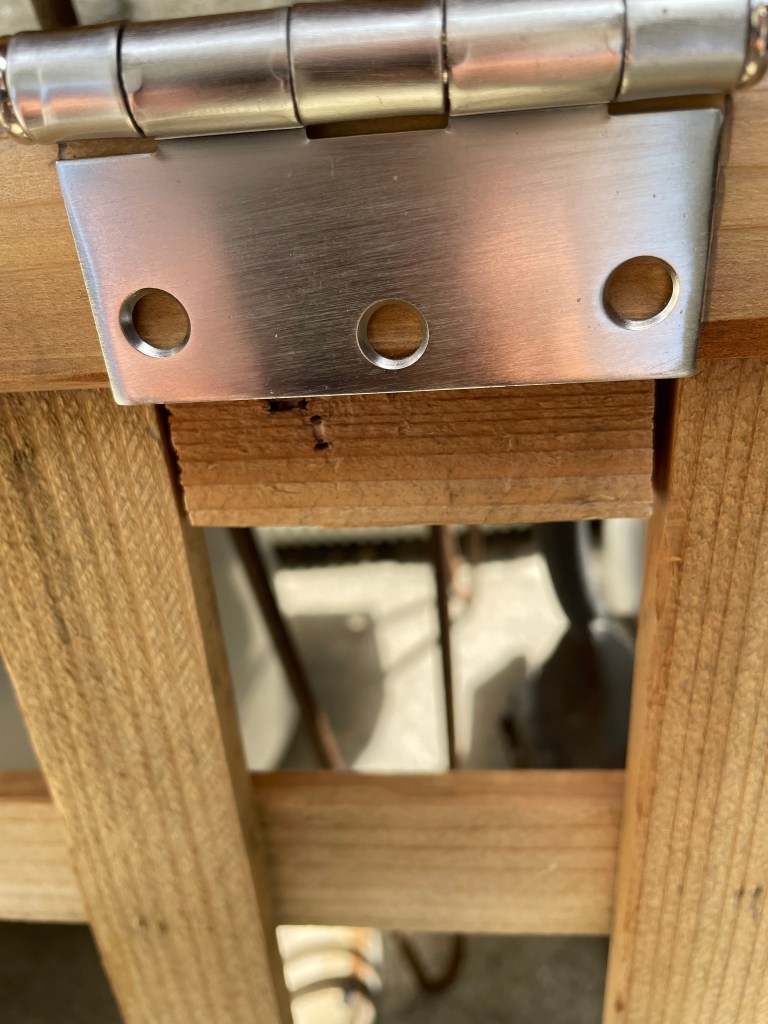
I positioned the hinges, and glued a small wood spacer directly behind the open space in the lattice. This provided more wood for the hinge screws to bite into.
Here are the 3 toppers in place.
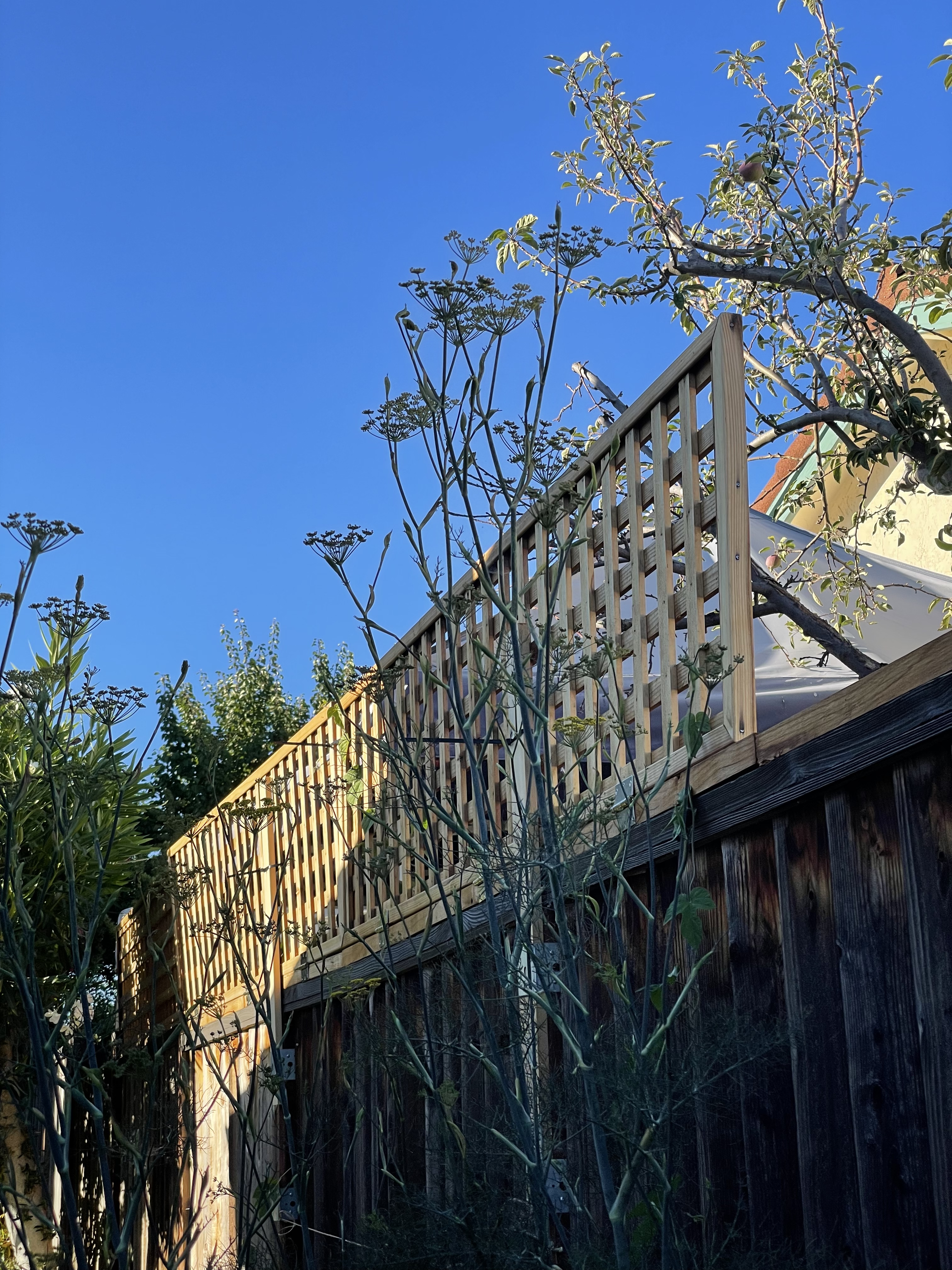
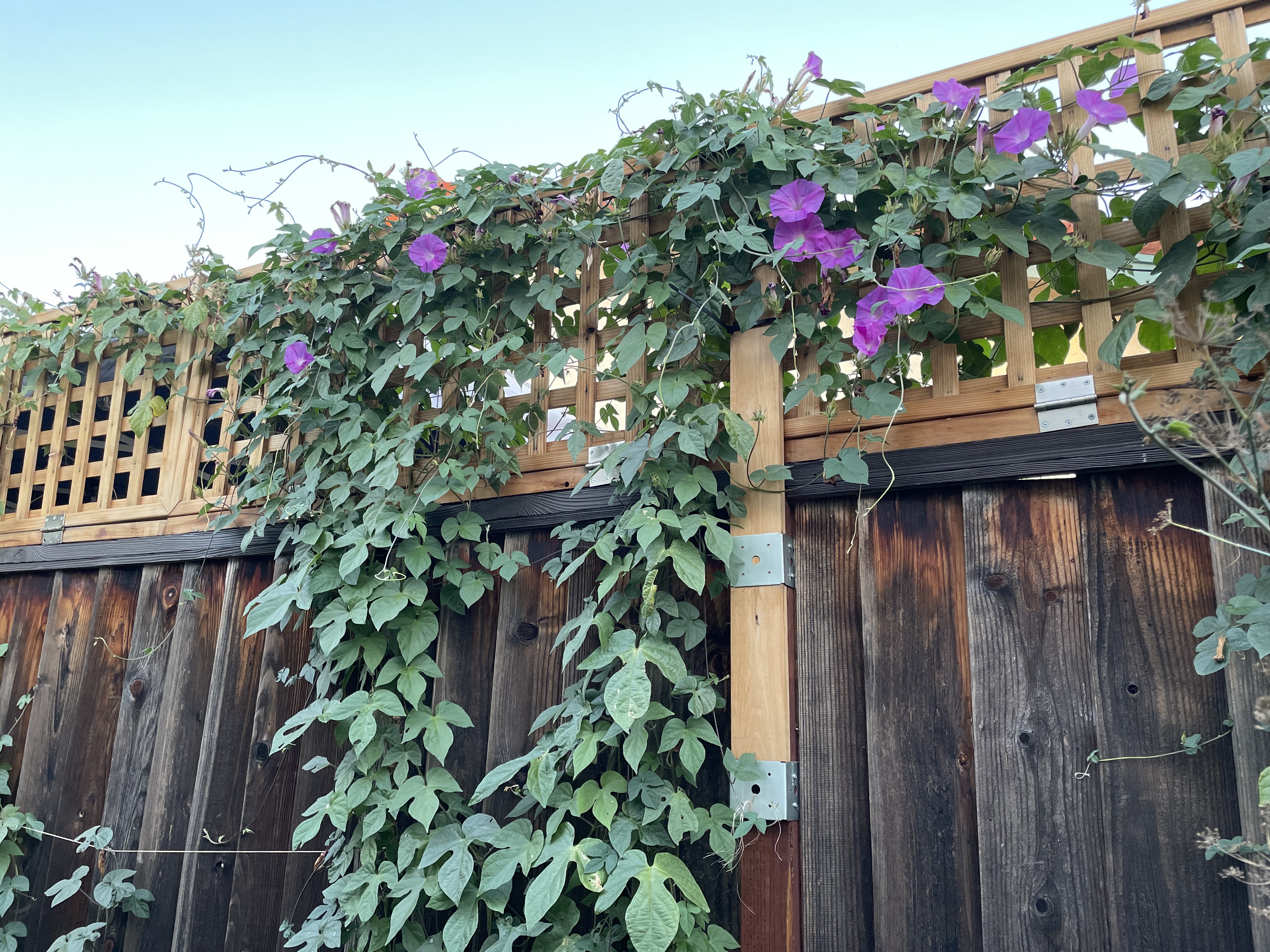
They need a bit more ‘tweaking,’ but really provide so much more privacy.
Super-Fast Gutter Boat

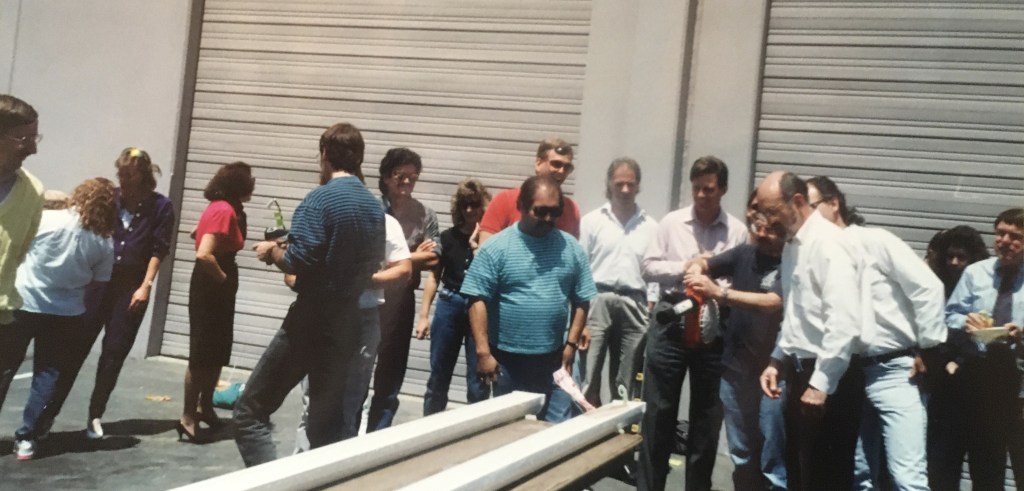
One year, the company that I worked for decided to have a summer “Olympic” event. Several events built around departmental teamwork, and of course fun too.

Note: This would be a fun summer event for the neighborhood kids as well.

There was the traditional water balloon toss, pie eating contest, and sack race events, but the best event was the “Gutter Boat Race.”

Entrants were to build a boat, and then blow it down a rain gutter filled with water. We actually had two water filled gutters, and competed simultaneously, but you could just time each entrant using a stopwatch.

For this event, entrants were given a rectangular piece of plywood (8″ x 3″ x 1/4″), a piece of paper and a soda straw to build a boat. You could also add other items, but you had to utilize those three in your human-wind-powered design. The boat was built at home, and then brought to work on race day.

I knew that all the scientists and engineers would enter this event; I needed a great design!

After several beers and working in the garage, I came up with this idea:

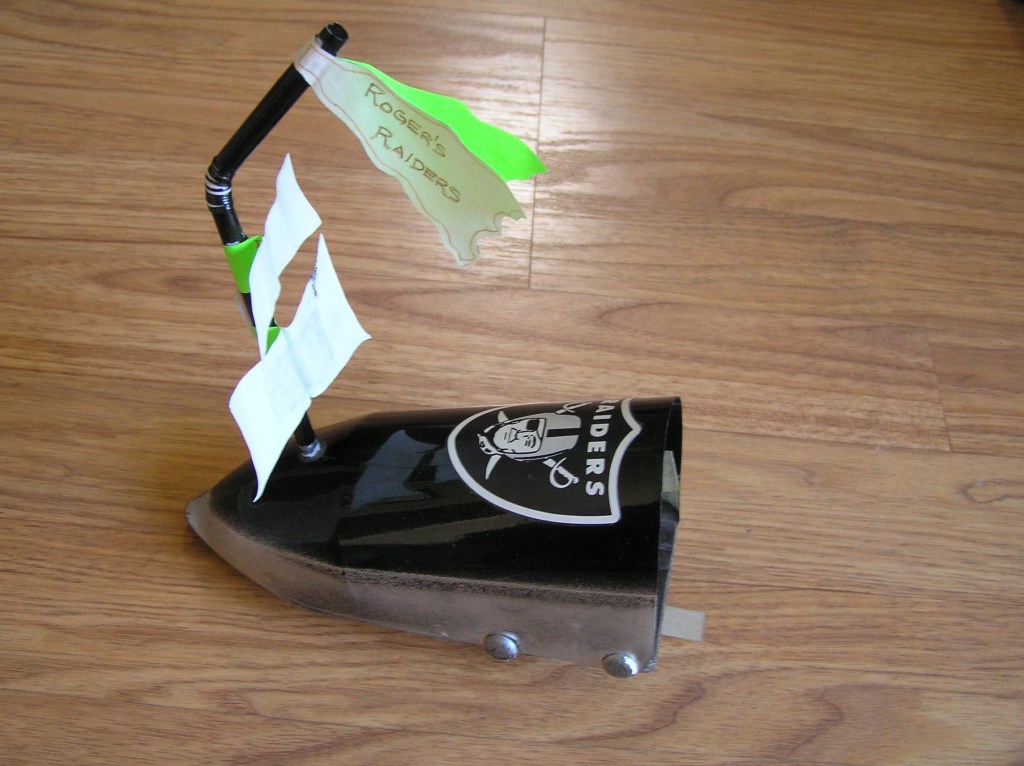
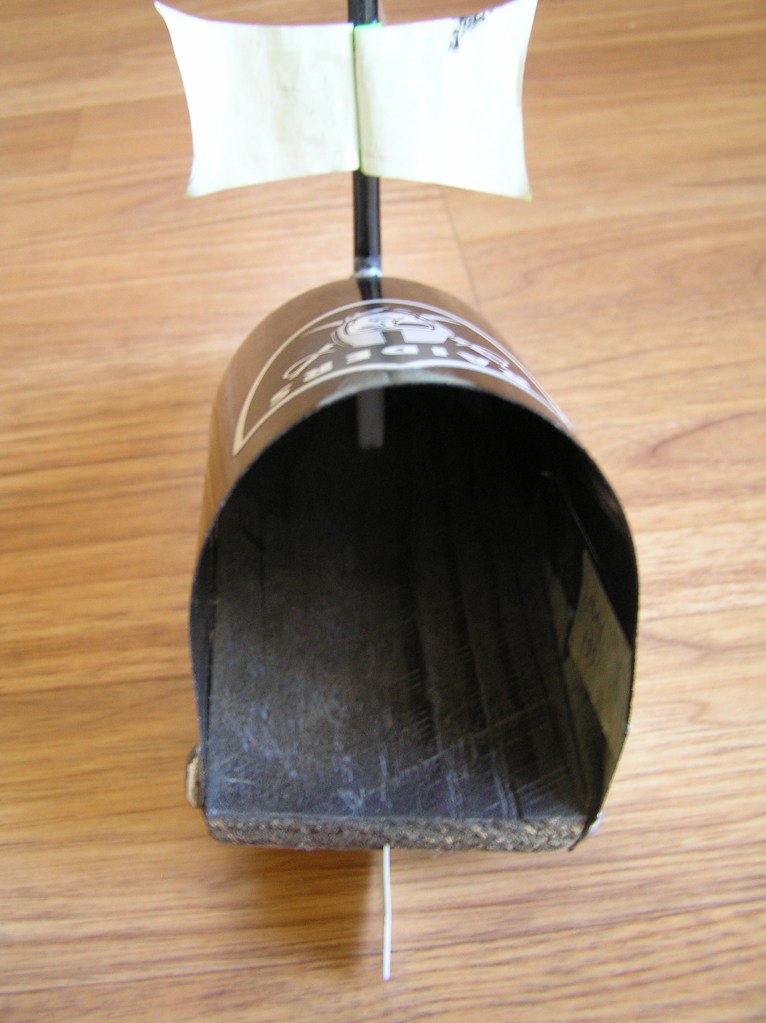
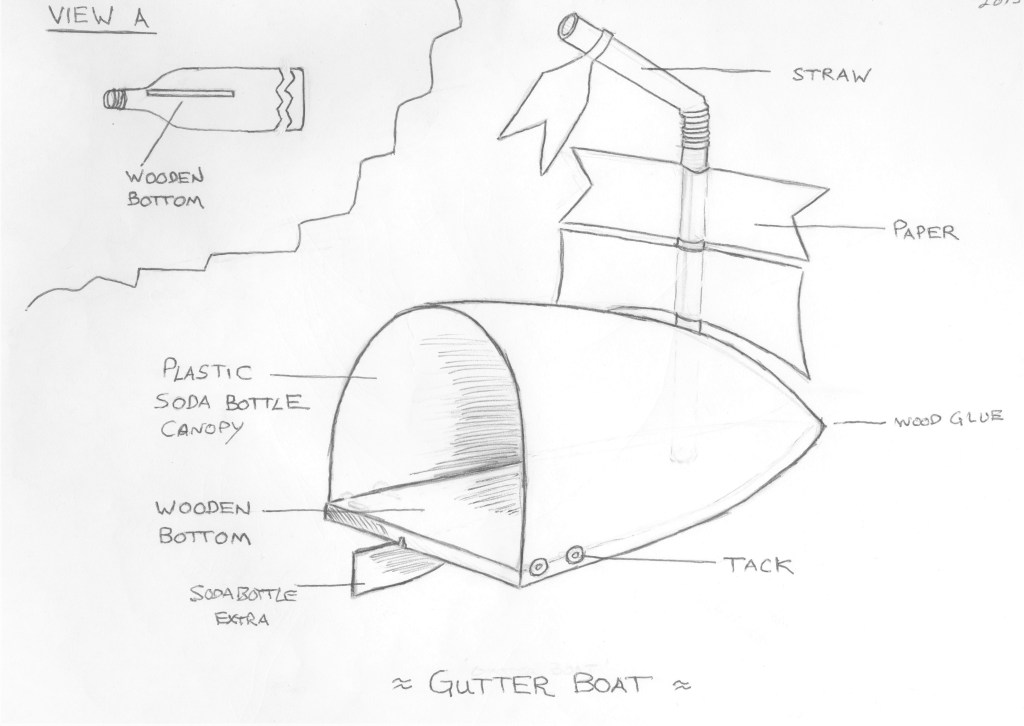
A gutter boat made from a plastic liter soda bottle. You simply place the boat in the water, and blow into the rear of the plastic canopy. The sails were only decorative, as we had to use the paper and straw elements in our design.

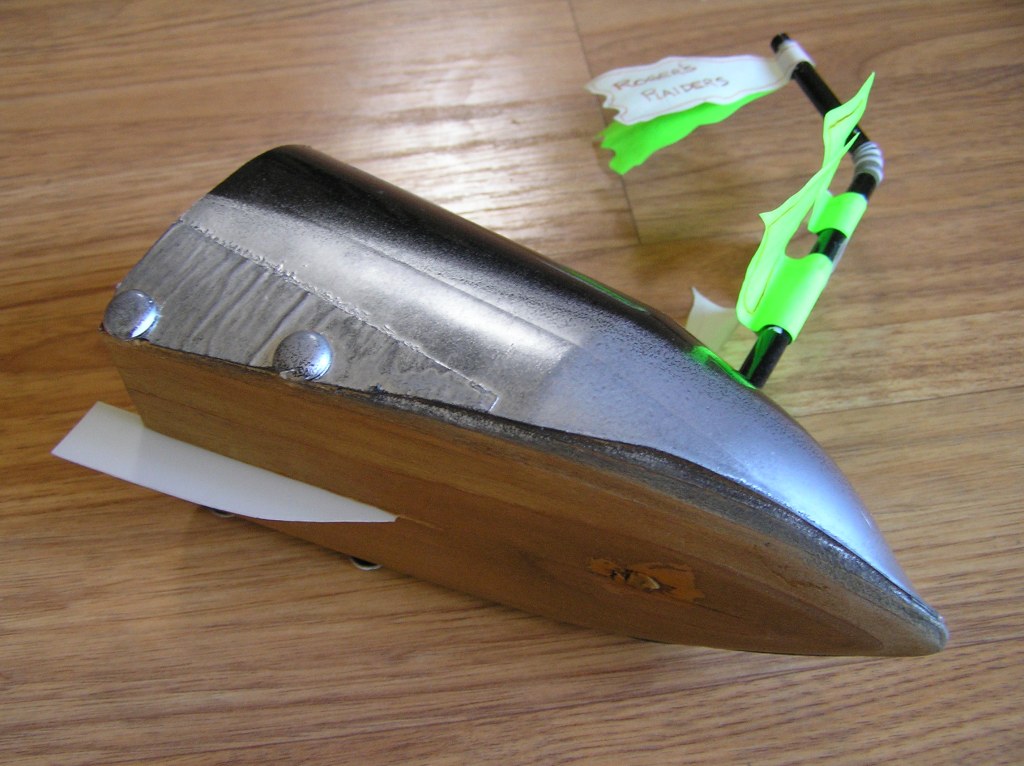
First, I cut and shaped the plywood piece, as in the diagram below. I also rounded off the bow (front of the boat) and sanded the entire bottom. Later, I applied some wax to make it ‘extra’ smooth, for less resistance in the water.

Next, I cut off the end of the plastic bottle, and inserted the cut and shaped plywood into the bottle, as shown in View A, of the Gutter Boat diagram above. Angle the plywood so that you obtain a good rear canopy (opening) to blow into.

Once I was happy with the positioning, I used a black felt tipped marker to outline where to cut the plastic.

When cutout, I used carpet tacks to secure it to the plywood, and secured the bow of the boat to the plywood with a bit of wood glue. Keep the tacks near the last 3rd of the boat. This puts a bit of weight in the back and keeps the bow out of the water.

The rudder was also made from the plastic soda bottle. The rest of build is pretty obvious and can easily be completed from viewing the pictures.

I painted the boat silver and black, as one of my team mates was a Raiders fan.

I drilled a hole in the top of the plastic to insert the straw, with non-functional sails attached.

I trimmed the plastic to closely fit along the plywood, and added the rudder.

Ah yes, the Race. No one had a chance, Our team smashed all the competition! We didn’t use CAD, nor a machine shop, or injection molding. Just some beer and common sense.

Oh, and of course, a lot of ‘Hot Air.’